
News
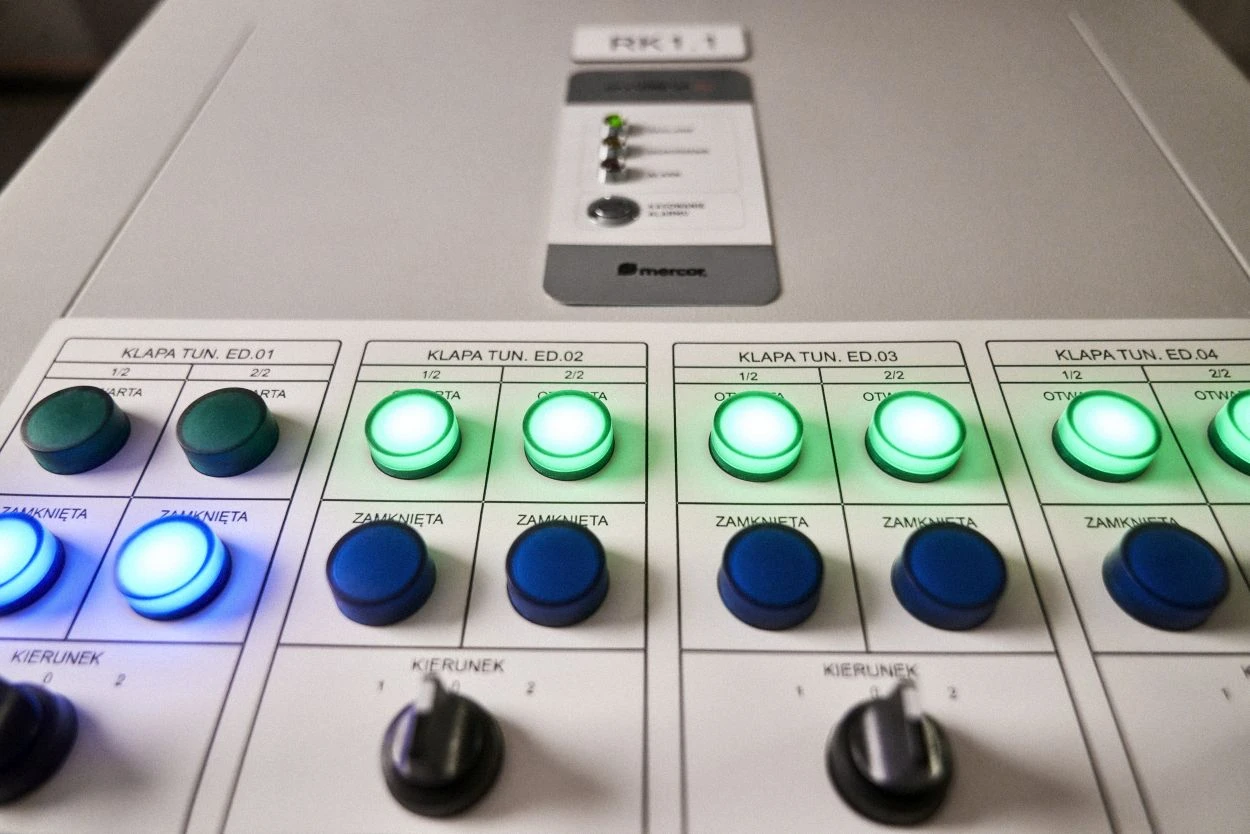
Errors in the Design of Fire Ventilation Automation Systems
Fire ventilation systems in buildings are responsible for life safety, enabling access for emergency services, and protecting property. The core principle of proper system operation is to direct smoke flow and remove harmful combustion products outside the building. To achieve this, at the design stage it is necessary to integrate smoke and heat control systems, electrical installations, and fire detection and alarm systems.
The proper coordination of these systems and installations is ensured by power supply and control units that form part of smoke and heat control systems. The correct selection of the fire automation system is one of the most crucial stages in designing a fire ventilation system. This article presents the most common design errors related to power supply and control units in mechanical smoke extraction systems.

Data Centers in the AI Era: Why "smoke" means downtime and how safety approaches are shifting
Modern data centers are "data factories," purpose-built as standalone structures or complexes featuring intricate infrastructure and integrated maintenance systems. A fire in such facilities risks more than just financial loss; it threatens the digital stability of an entire country. Consequently, these "data factories" require specialized protection, particularly regarding fire ventilation.
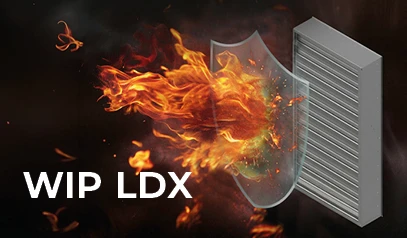
A New Solution for Multi‑Zone Fire Ventilation – mcr WIP LDX
mcr WIP LDX is a multi‑blade fire and smoke control damper designed for multi‑zone fire ventilation systems.
The product has been developed to ensure a high level of safety and reliable performance under fire conditions.
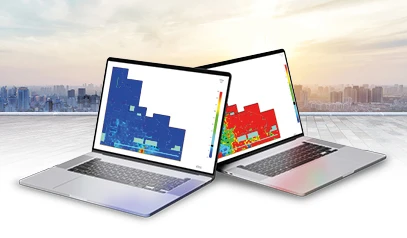
What Are CFD Simulations in Fire Engineering?
CFD simulations (Computational Fluid Dynamics) have become one of the key tools used in fire engineering in recent years. They enable the numerical modelling of phenomena accompanying the development of a fire, such as smoke spread, hot gas flow, temperature rise, and the interaction of fire with the building structure. Thanks to CFD calculations, it is possible to analyse fire scenarios in a far more detailed and realistic manner than with traditional calculation methods.
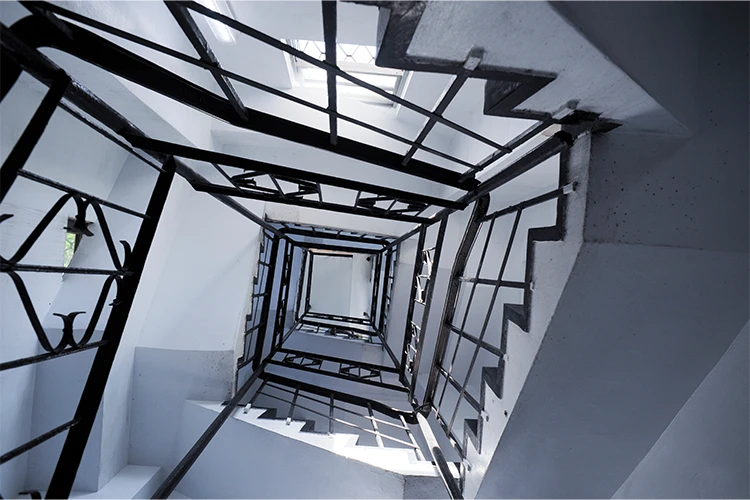
Smoke Control of Stairwells – Importance, Regulations and Technical Requirements
Stairwells in multi-storey buildings play a central role in fire safety. They serve as vertical escape routes for building occupants.
In the event of a fire, protecting this area from smoke and toxic gases is of the highest priority.
Smoke exhaust systems are an essential element of fire ventilation and are standardly applied along vertical escape routes in multi-storey buildings.
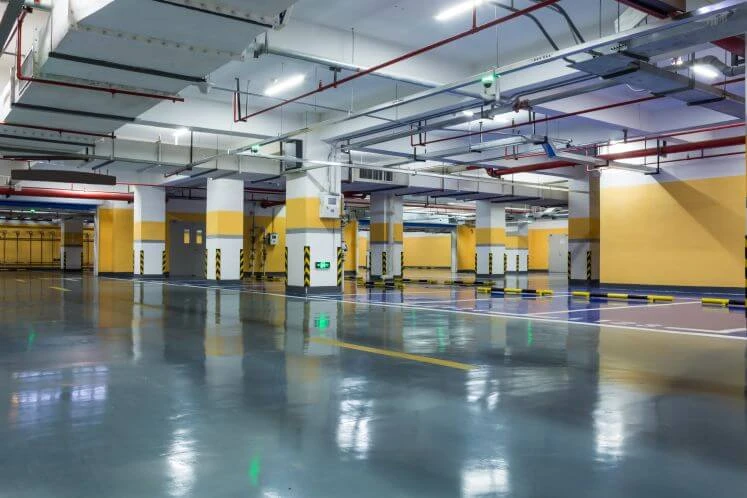
Fire Ventilation of Underground Car Parks – Key Aspects of Design and Safety
Fire ventilation in underground car parks plays a fundamental role in protecting life, health and building structures. Its primary purpose is the effective removal of smoke and heat in the event of a fire, which has a direct impact on the safety of occupant evacuation, the effectiveness of rescue and firefighting operations, and the durability of the facility.