Data Centers in the AI Era: Why "smoke" means downtime and how safety approaches are shifting
A New Era for Data Centers
Today’s data centers are "data factories," built from the ground up as standalone buildings or complexes featuring sophisticated infrastructure and integrated maintenance systems. The significant surge in "new" data centers began around 2015, driven by the growth of Big Data and cloud computing. The demand for data and digital services has escalated rapidly. For instance, the data consumption of an average smartphone user was 1.9 GB per month in 2016; by 2022, this consumption had increased more than fivefold and continues to grow. Forecasts predict data usage could reach up to 32 GB per month by 2029.
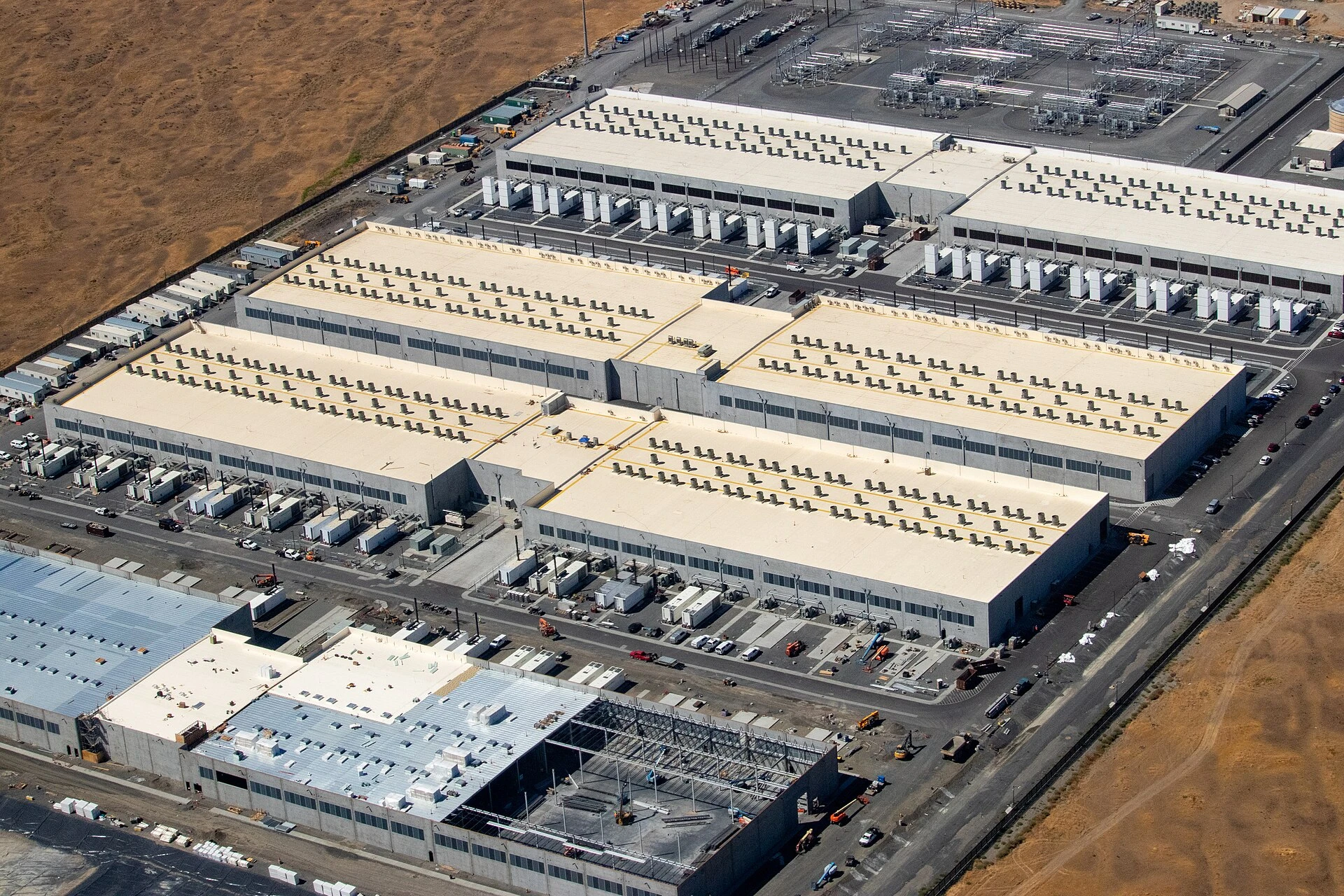
However, the real boom in demand for computing power and data centers occurred around 2020 due to the rapid development of AI. From that point on—in addition to streaming, online gaming, cloud services, IoT, databases, e-commerce, and fintech—we have seen the arrival of Artificial Intelligence. The way AI operates, especially modern models, is non-linear. This means that millions of calculations are performed simultaneously on massive datasets. This requires immense computing power, with Graphics Processing Units (GPUs) being the main driver, accounting for an average of 40% of total power consumption. It is estimated that currently, more than half of data center computing power is dedicated to AI.
Reports indicate that in Poland, the projected capacity of data centers is expected to rise to nearly 500 MW by 2030. Currently, it stands at approximately 200 MW, including about 147 MW in Warsaw alone. Greater computing power requires more energy. For example, by 2030, global energy consumption by data centers is expected to reach approximately 945 TWh per year, which is equivalent to the total electricity consumption of Japan. Higher amounts of power and energy result in more heat being generated, which in turn leads to greater cooling needs and, consequently, a drastic increase in thermal load densities. This poses a direct challenge to fire detection and suppression systems.
Fire in the Data Center
Although fires in data centers have been rare in recent years, they are responsible for some of the most costly downtimes in IT history. For example: a fire that broke out on September 26, 2025, in a data center in South Korea caused the paralysis of 647 digital services—ranging from the mass failure of hundreds of government systems and public services to disruptions in emergency services and administration, and long-term unavailability of key digital services affecting the daily lives of citizens. In Europe, one of the largest incidents was the 2021 fire at a data center in Strasbourg, which caused service unavailability for approximately 120,000 customers (around 3.6 million websites) and financial losses estimated at approximately EUR 105 million.
A fire in such facilities involves not only financial losses but also the risk of paralyzing digital and administrative services upon which the stability of an entire country depends. This makes such "data factories" require special protection, including in the field of fire ventilation. To better understand its role, it is worth mentioning how modern data centers are constructed and outlining their specific characteristics.
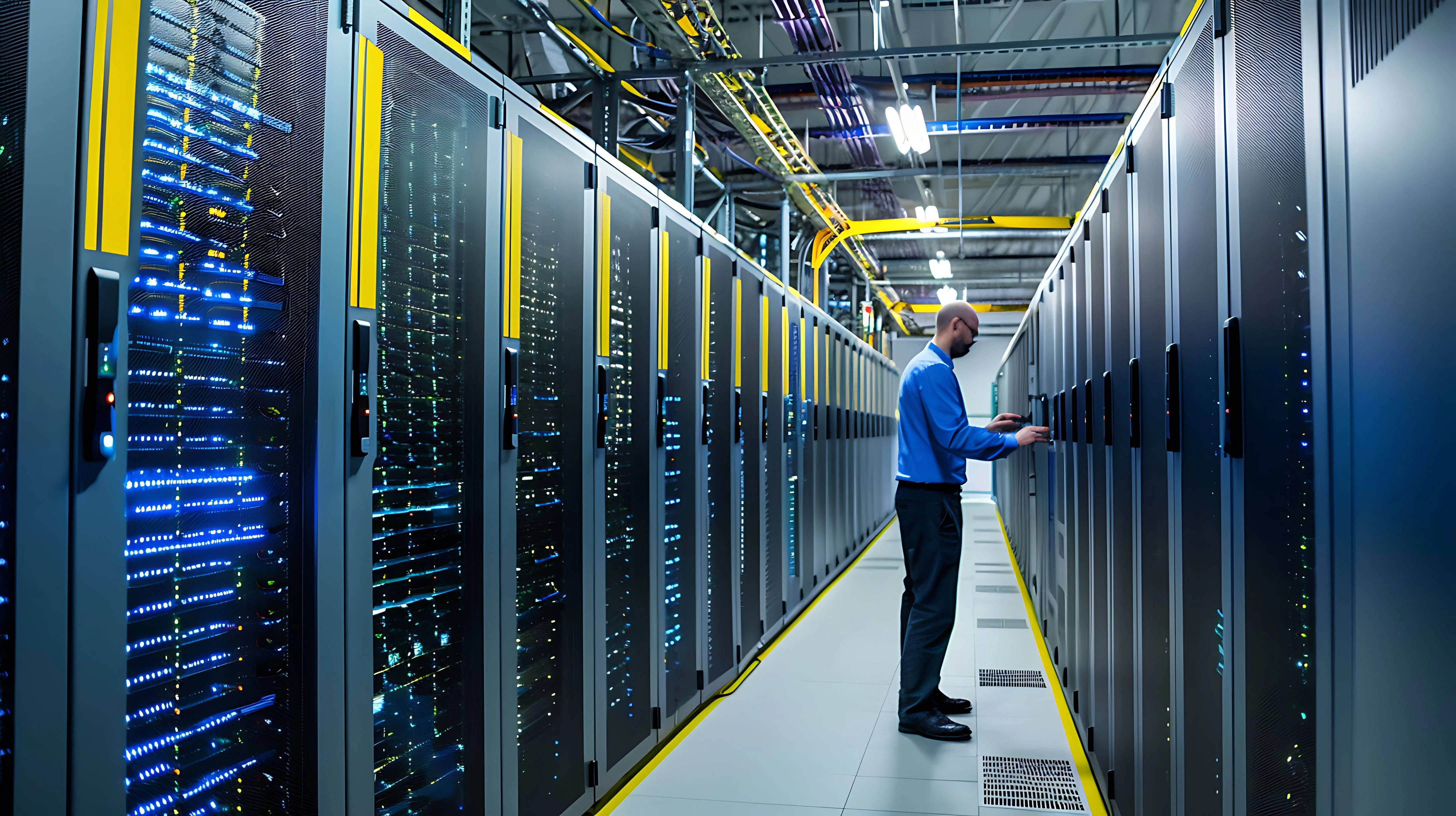
General Technical Specifics of Data Centers and Main Fire Hazards
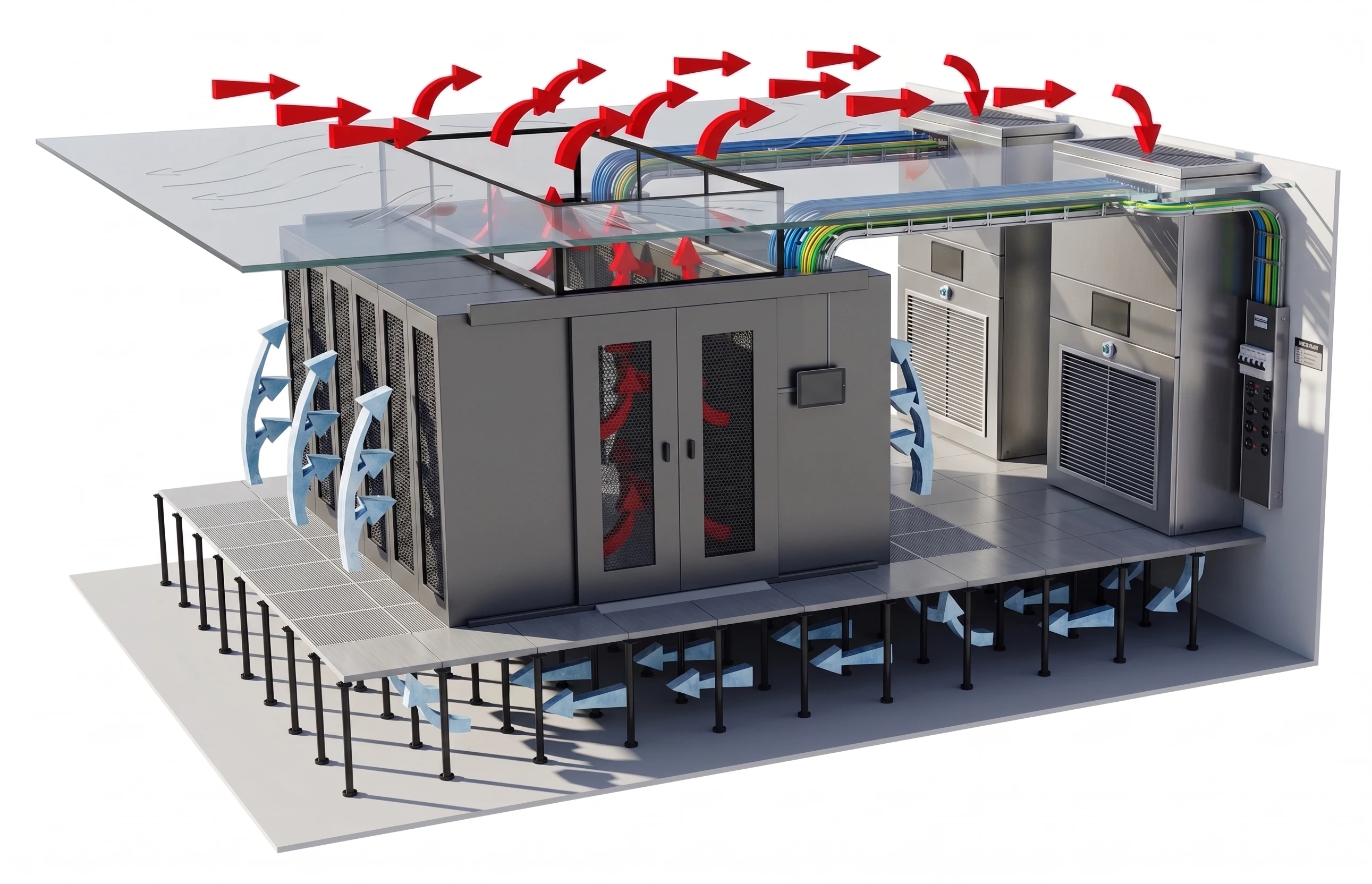
Modern data processing centers are typically facilities built with complex infrastructure and maintenance subsystems integrated into a single, cohesive system. They utilize solutions such as:
-
Raised floors, suspended ceilings, and cable trays;
-
Hot and cold aisle containment zones;
-
Enclosed corridors;
-
Efficient HVAC and cooling systems—including CRAC/CRAH, and increasingly common liquid cooling;
-
Separate rooms for power supplies, batteries, or generators;
-
Fire separations and walls with appropriate fire ratings;
-
Fire suppression systems.
The foundation for designing modern data centers resides in standards and regulations, including the European standard EN 50600, national laws and ordinances, American NFPA 75/76 standards (which, although not mandatory in Poland, increase quality and business advantage), and supplementary standards such as EN 12101, which ensure comprehensive safety (including fire safety), or EN 54 regarding fire detection systems. One must also not forget environmental standards or energy efficiency directives, such as the Energy Efficiency Directive (EED).
The main fire hazards in a data center include:
-
Failures in emergency power systems: primarily UPS (Uninterruptible Power Supply) and batteries—especially lithium-ion batteries and large battery banks. In the fires mentioned above, a failure in this area was identified as the direct cause.
-
Power overloads: in data centers, electrical loads are very high; in the case of AI-focused DCs, they can reach 40–50 kW, or even 80 kW per rack. This can lead to circuit overloads, excessive heating of cables and melting of their insulation, risks of electric arcs, and ultimately, short circuits, ignition, and fire. This is one of the most serious threats in such facilities.
-
Thermal overloads: hot components, such as GPU cards, generate massive amounts of heat. Inside or around the rack, areas of significantly elevated temperature—so-called "hot spots"—are formed, which can overheat power supplies, power sections, and cable connections. It is these components, rather than the cards or processors themselves, that may suffer thermal failure and become the actual source of a short circuit, arc flash, or fire.
-
Short circuits on cabling: especially in the raised floor and power cabinets.
-
Cooling system failures.
-
Human error: e.g., during system configuration or maintenance work, such as improper tightening of a connector.
-
Increasing equipment density: which leads to a higher risk of overheating and electrical installation failures.
This mix of specific construction applications and the conditions prevailing in such facilities has a direct impact on the smoke mentioned in the title. Why?
Smoke in the DC
"Fires involving electrical and electronic equipment, including cables and insulation, generate large amounts of dense, toxic smoke, rich in particles and harmful chemical gases that settle on devices and increase the risk of damage." Smoke in a DC facility is characterized primarily by being heavy, dense, and highly toxic. It is a specific "cocktail" of corrosive chemicals, including hydrogen chloride, hydrogen cyanide, sulfur dioxide, and nitrogen dioxide. Such smoke, even after the fire is extinguished, leaves a residue, and micro-pitting appears on metal surfaces. In reaction with moisture in the air, corrosion occurs, leading to malfunctions and, finally, equipment degradation. In server racks, the phenomenon of "smoldering" can occur—combustion taking place without a flame, with a slow start, emission of microscopic smoke particles, and a lack of immediate thermal reaction.
Additionally, the specific conditions inside the facility and the construction solutions used (raised floors, hot/cold aisles, efficient ventilation) can cause:
-
Smoke dilution: high airflow through systems supplying cooling air simultaneously dilutes the smoke. (Despite the increasing use of liquid cooling or hybrid systems, air cooling was used in 43% of DCs worldwide as of 2023).
-
Stratification: smoke may not rise uniformly due to temperature fluctuations, tightly packed racks, and the aforementioned air circulation.
These factors make smoke a difficult opponent to both detect and overcome, which, if it occurs, can lead to threats such as downtime.
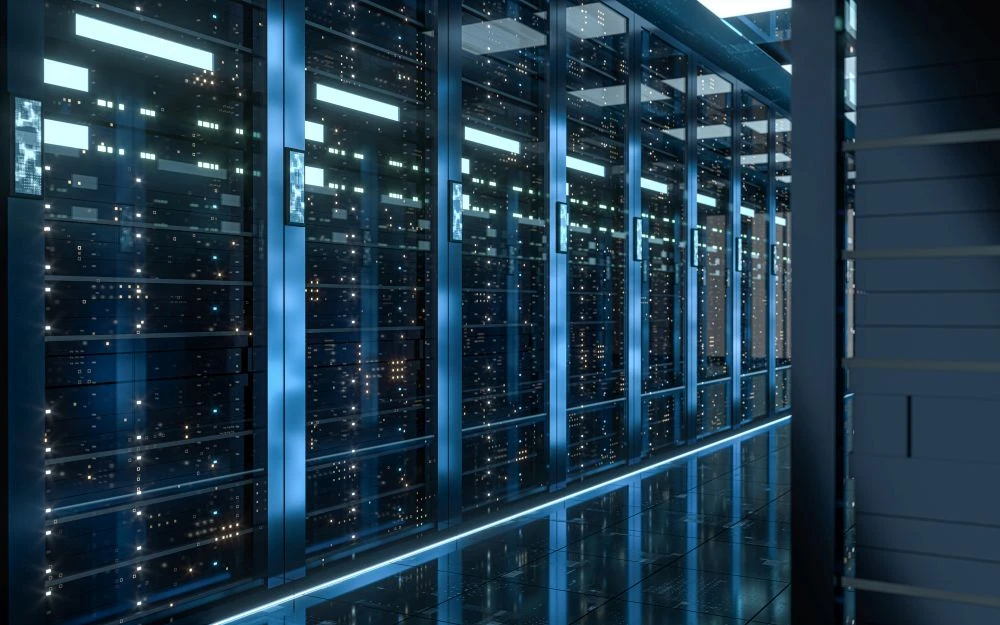
Smoke in the DC vs. Downtime
The primary objectives of data center operations are:
-
Maintaining business continuity: ensuring IT infrastructure remains available even in the event of external power failures or disasters.
-
Maintaining cooling at a safe level: preventing damage to expensive equipment. Industry sources estimate that the cost of IT equipment alone is approximately 50–60% of the total cost of a data center. Given the $61 billion invested in DCs in 2025, this illustrates the enormous scale of capital at risk in the event of a fire.
-
Continuous operation: ensuring uninterrupted availability of services and applications 24/7.
These goals are a challenge, and downtime in a data center can lead to serious consequences. For data centers, the most recognized standard is the TIER classification developed by the Uptime Institute, which defines the level of infrastructure availability. Modern data centers are most often designed to TIER III or TIER IV standards, ensuring high reliability and minimal downtime. To illustrate the high requirements: in the highest class (TIER IV), availability is required at a level of 99.995% per year, which allows for... less than 26 minutes of downtime per year! At this level, solutions such as 2N (full redundancy) and/or Fault Tolerant systems are used. Adding to this the business SLA (Service Level Agreement) contracts, the bar for avoiding downtime is set very high. For companies, any downtime can also mean financial consequences or reputation loss, which is unacceptable for the largest players—the so-called hyperscalers.
A Shift in the Approach to Safety
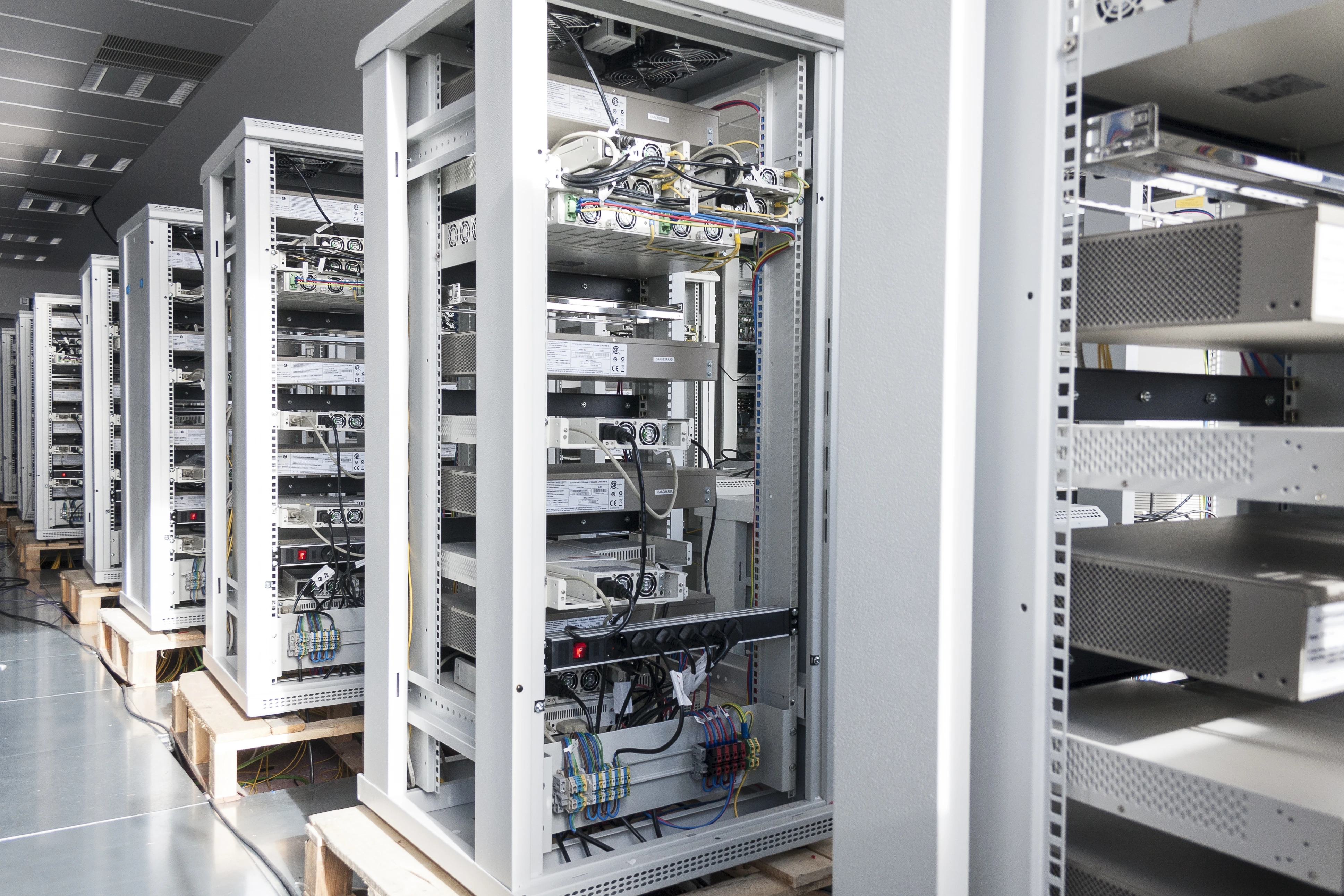
The approach to safety has changed over the years. Initially, the main goal in design and construction was equipment protection; computer hardware cost more than the potential loss of data. As IT infrastructure grew and the importance of service availability increased, the approach evolved toward ensuring process security—maintaining the continuity of IT systems and services. At that point, data protection became the priority. Currently, data centers use a combination of both approaches, simultaneously protecting critical hardware and the uninterrupted functioning of processes. This can be described as a "safety mix of hardware and processes," providing both physical and operational protection.
Increasing market requirements and more complex DC specifications force manufacturers across various areas—from cooling systems to fire ventilation—to adapt their solutions. In fire safety, this is well-illustrated by the evolution of suppression systems. The first centers used classic water-based systems, where the main goal was protecting people and the building.
The 1990s and early 2000s saw a greater focus on avoiding accidental water damage to equipment, which led to the expansion of these systems with fire detection; the system required fire to be detected (e.g., by smoke sensors) before sprinklers were activated. It was then that ASD (Aspirating Smoke Detection) systems—early smoke detection—came into common use, despite the technology having been developed in the 1980s.
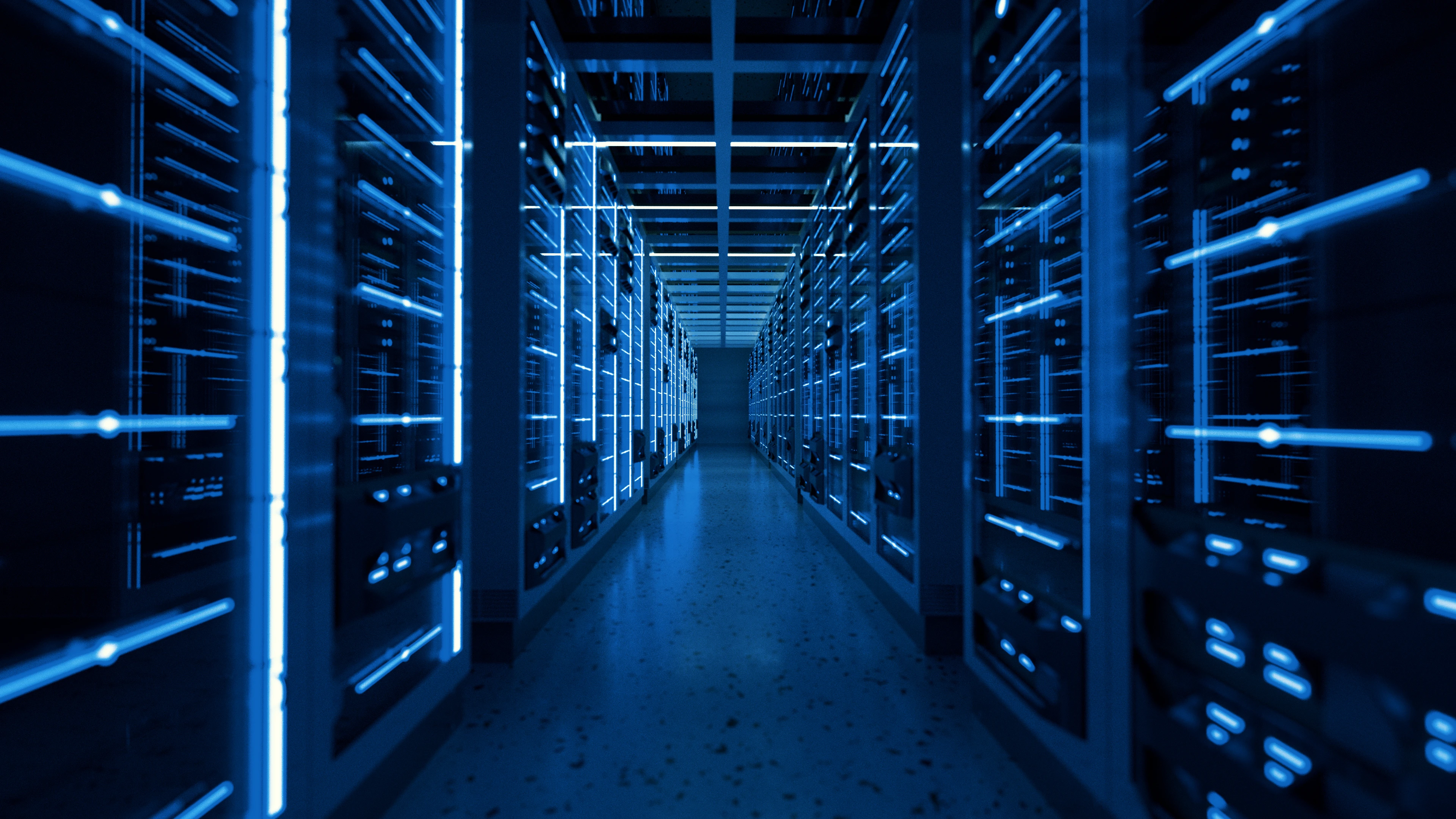
Subsequent years saw the introduction of systems based on inert gases or clean agents, which do not damage equipment and extinguish fires by lowering oxygen levels. However, this was still not enough. More emphasis was placed on the earliest possible detection, even at the rack level. Today, a multi-level approach is becoming the standard, including:
-
Very early detection (high-sensitivity ASD);
-
Local detection (e.g., inside the racks themselves);
-
Integration with FAS, BMS, and DCIM systems;
-
Redundancy of detection and suppression systems;
-
Fast, precise suppression systems tailored to specific zones.
The question arises: where does fire ventilation fit into all of this?
Safety and the Role of Fire Ventilation
The classic function of fire ventilation is smoke extraction and temperature reduction, primarily to enable evacuation and the operation of emergency services. This remains the priority. However, in the case of a DC, a control function is also added. By controlling airflow during a fire, fire ventilation systems support detection and suppression systems so as not to negatively affect their effectiveness—for example, by diluting the extinguishing agent or removing it too quickly from the fire zone. Furthermore, only after the threat is extinguished is controlled ventilation used to clear the room. This ensures that fire ventilation is not a separate "entity" acting autonomously, but part of a larger, integrated system.
The goal of such integration is the cooperation of systems in fire scenarios to minimize the impact of smoke and fire on DC continuity. It is worth adding that the specific nature of these facilities and their interaction with other systems must be considered at the design stage. In data centers, particularly TIER III/IV, the fire ventilation system must operate even if a single component fails. Similar requirements regarding reliability and redundancy are found in the EN 12101 standard.
Although fire ventilation is not explicitly mentioned in critical infrastructure laws, the specifics of TIER III/IV data centers make its function a critical element of the system. From a commercial perspective, I often encounter the belief that fire ventilation only serves to meet legal requirements. However, changing this perspective and treating fire ventilation as an integral part of critical infrastructure allows for effective protection of people and equipment while increasing the reliability and business value of the entire facility.
The Role of Mercor Light & Vent sp. z o.o. in Data Center Protection
Mercor has been actively participating in the construction of data processing centers for both small and large "hyperscaler" players for years, providing design support and equipment. From the design stage, e.g., through CFD simulations, we help clients properly plan and select individual devices or systems. By accounting for cooling and ventilation systems, we can predict smoke behavior during a fire. At this stage, the question often arises: how to resolve the conflict between high airflows and the need to limit smoke transport and maintain the extinguishing agent? Our designers provide help and support in solving such problems.
In addition to design support, we provide:
-
Fire dampers (e.g., mcr WIP PRO): which cut off fire zones, control the spread of smoke and hot gases, and cooperate with smoke extraction fans and suppression systems. All Mercor smoke dampers are also designed for inert gas suppression systems.
-
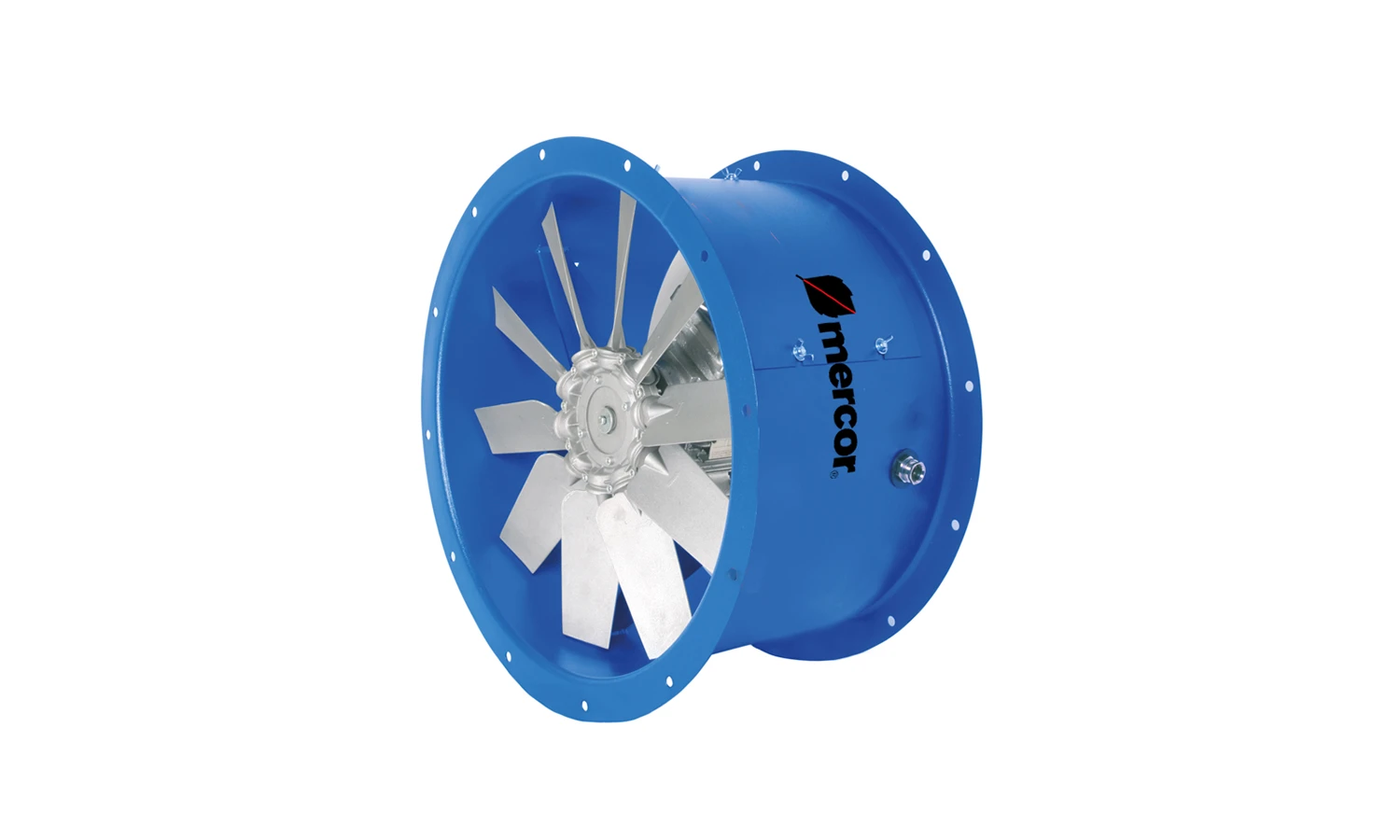
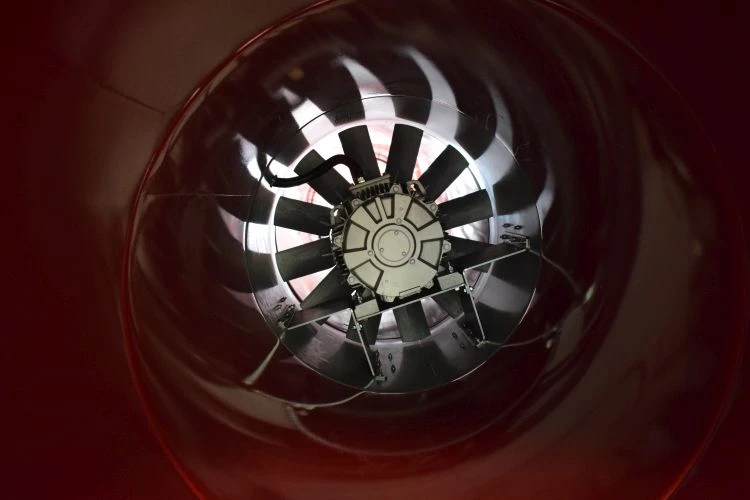
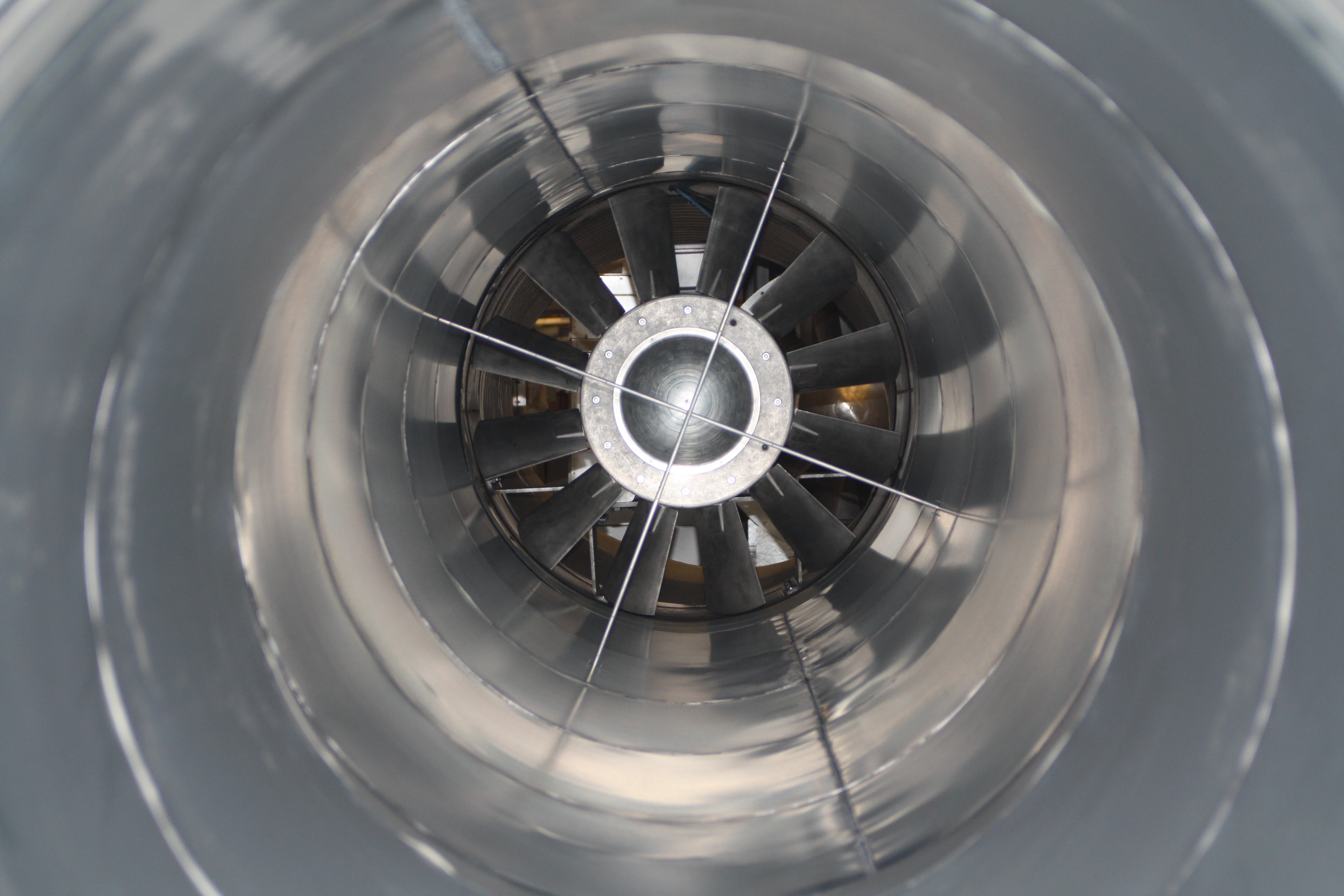
Smoke extraction and pressurization fans (e.g., mcr MONSUN-T): which support safe evacuation conditions, limit the impact of high temperatures on technical infrastructure, and implement fire scenarios for high-density IT zones.
-
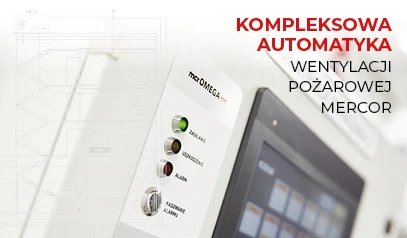
mcr Omega PRO power supply and control units: which are key elements of fire safety systems in data centers. They provide appropriate power and allow for the control and integration of dampers and fans with other systems—HVAC, FAS, BMS, or DCIM—depending on the fire scenario.
Summary
Data centers are a key element of the modern world's functioning—the "heart of the digital economy"—where safety, reliability, and rapid response to threats are the foundations of stability. The dynamic development of technology, especially in AI, generates both enormous investments and growing challenges related to power demand, cooling, and fire protection. Every element of DC infrastructure must be designed with business continuity and risk resilience in mind. That is why a comprehensive approach, combining standards, modern technologies, and the experience of partners like Mercor Light & Vent, is crucial for ensuring safety and reliability in data centers.