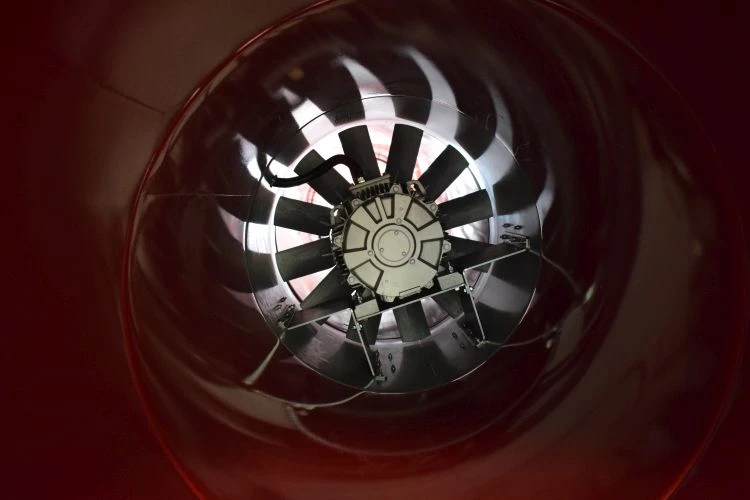
Fire Ventilation of Underground Car Parks – Key Aspects of Design and Safety
Fire ventilation in underground car parks plays a fundamental role in protecting life, health and building structures. Its primary purpose is the effective removal of smoke and heat in the event of a fire, which has a direct impact on the safety of occupant evacuation, the effectiveness of rescue and firefighting operations, and the durability of the facility.
A properly designed smoke control system for an underground car park protects evacuation routes from smoke contamination and excessive thermal radiation, enabling occupants to leave the hazard zone safely. In addition, it creates conditions that allow the fire brigade to carry out effective rescue operations and reduces the risk of damage to the building structure by lowering ceiling-level temperatures.
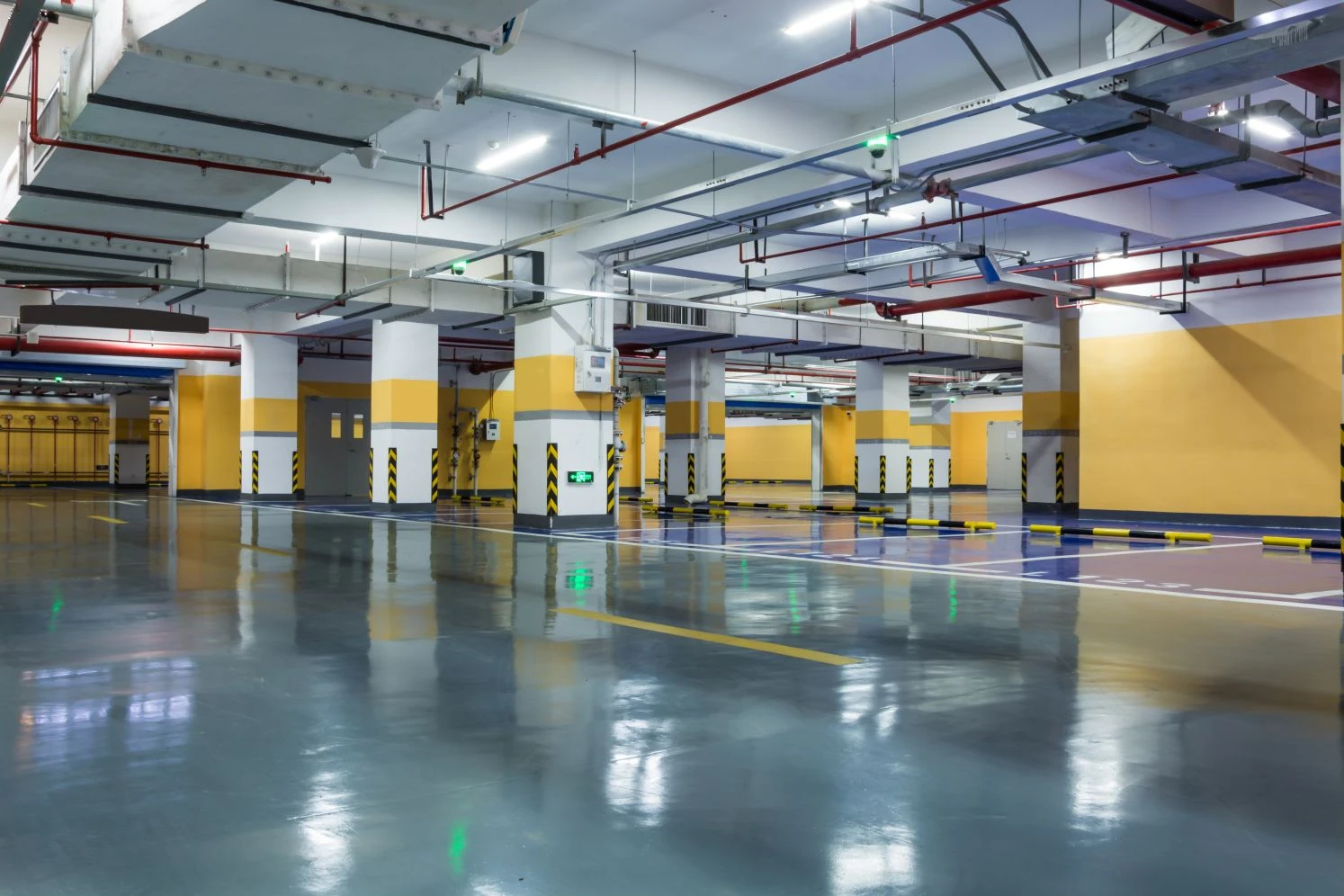
Smoke Control Solutions Used in Underground Car Parks
Three main solutions are applied in underground car parks:
-
Ducted smoke ventilation systems, based on a network of ducts, smoke curtains and exhaust grilles, which ensure the removal of smoke from beneath the ceiling while creating a smoke-free zone below.
-
Jet smoke ventilation systems (smoke and heat spread control), in which jet fans direct the flow of smoke, ensuring clear access routes for rescue teams.
-
Jet ventilation for smoke dilution, enabling the effective removal of fire-related contaminants from the entire car park volume.
The selection of the system depends on the geometry of the car park, the possibility of dividing it into smoke zones, and the number and location of evacuation exits.
Design Process and CFD Simulations
The design of a smoke control system is carried out in stages. Initially, a concept is developed that includes the division into smoke zones, the location of fans, and the positioning of smoke exhaust and make-up air shafts.
The next step involves CFD simulations, which verify evacuation conditions (temperature, visibility, thermal radiation and concentrations of toxic gases) as well as the operational conditions for the fire brigade (with regard to temperature and thermal radiation). Based on these analyses, a detailed execution design is prepared.
Particular importance is placed on selecting the appropriate temperature classification of the fans. Smoke exhaust and jet ventilation devices should meet the required resistance to high temperatures, as confirmed by CFD calculations.
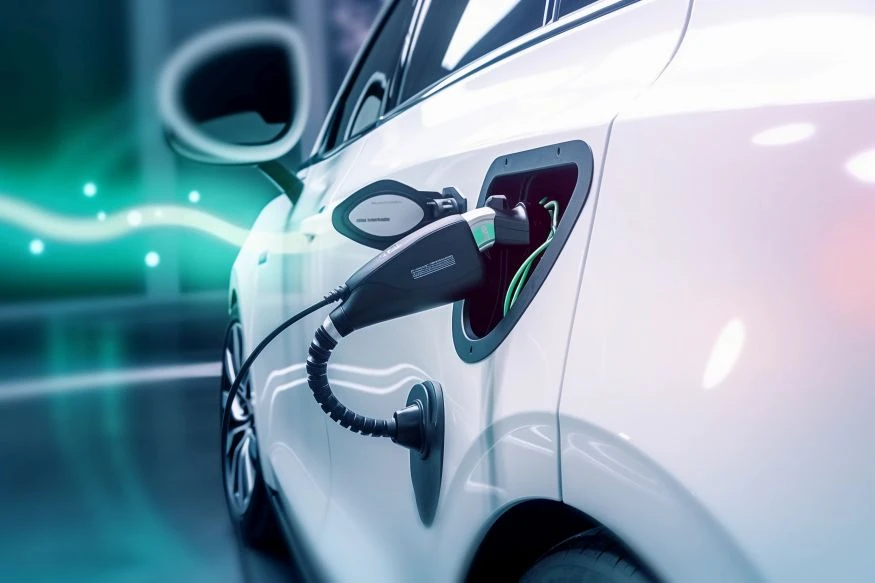
New Challenges – Electric Vehicles
The growing number of electric vehicles and plug-in hybrids in underground car parks presents new challenges for designers. Battery fires are characterised by different dynamics and higher heat release compared to fires involving internal combustion engine vehicles. For this reason, simulations take into account modified heat release rate curves.
Current regulations do not yet define detailed requirements for parking spaces for electric vehicles; however, CNBOP guidelines indicate, among other measures, the need for effective fire detection, automatic transmission of alarms to the fire brigade, the use of local passive fire protection separations, or alternatively the rapid application of appropriate firefighting agents. An important recommendation also concerns locating charging points near the entrance, which facilitates rescue operations.
Technological Solutions
A wide range of devices supporting safe smoke control in underground car parks is available on the market. Mercor offers, among others:
-
mcr Monsun and mcr Pasat smoke exhaust fans, characterised by high performance, fire resistance up to F600 and the ability to operate in various configurations.
-
mcr Bora jet fans, available in unidirectional and reversible versions, ensuring effective control of smoke flow.
-
mcr Omega PRO control panels, integrating the smoke control system with signals from fire detectors, BMS systems or gas detection systems, and enabling control of both day-to-day ventilation and fire modes.
Fire ventilation of underground car parks is not merely a formal requirement, but above all a key element in ensuring the safety of people and the protection of property. The effectiveness of the system depends on a properly conducted design process that considers both traditional fire hazards and new challenges related to electromobility. Cooperation between designers and certified fire safety experts, combined with the use of modern technological solutions, forms the foundation for achieving an appropriate level of safety in underground facilities.
Elżbieta Borowska
Designer
Fire Ventilation Systems Division