
News
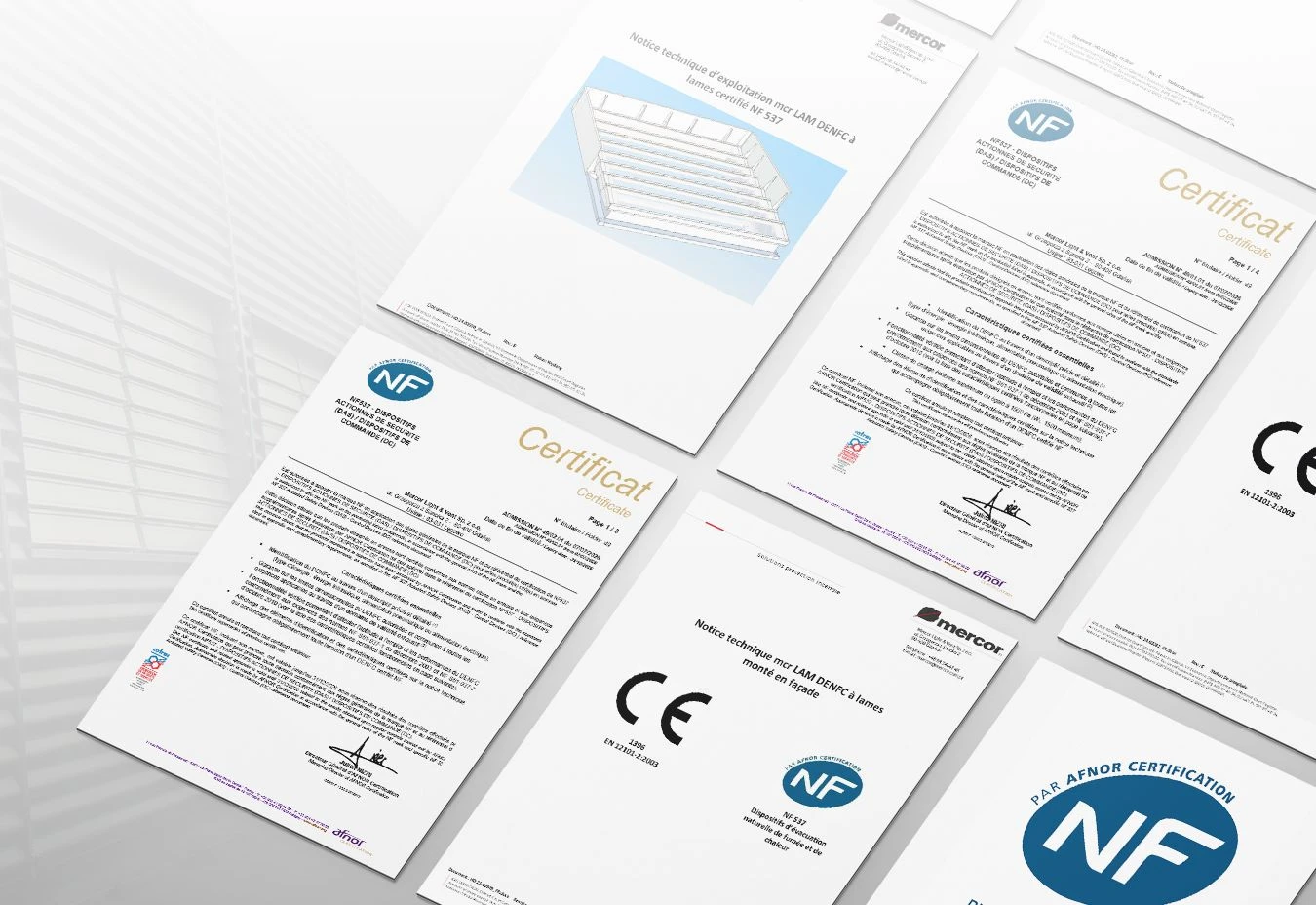
NF 537 Certificate for mcr LAM Louvered Smoke Vents
Mercor Light&Vent is the first company in Poland to have obtained the French NF 537 certificate for its natural smoke exhaust devices. The certificate issued by AFNOR, the certification body, confirms that mcr LAM smoke vents comply with the requirements of the French market in terms of fire safety.
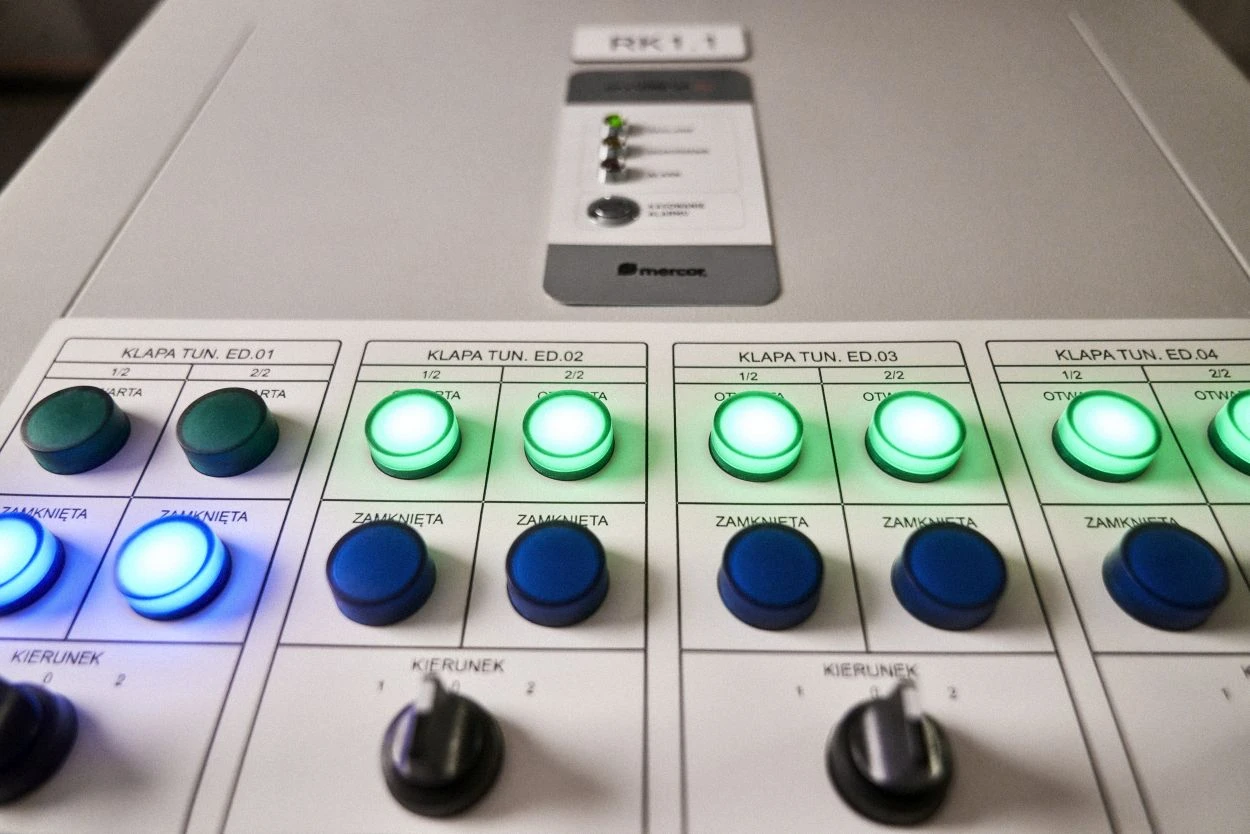
Errors in the Design of Fire Ventilation Automation Systems
Fire ventilation systems in buildings are responsible for life safety, enabling access for emergency services, and protecting property. The core principle of proper system operation is to direct smoke flow and remove harmful combustion products outside the building. To achieve this, at the design stage it is necessary to integrate smoke and heat control systems, electrical installations, and fire detection and alarm systems.
The proper coordination of these systems and installations is ensured by power supply and control units that form part of smoke and heat control systems. The correct selection of the fire automation system is one of the most crucial stages in designing a fire ventilation system. This article presents the most common design errors related to power supply and control units in mechanical smoke extraction systems.

Data Centers in the AI Era: Why "smoke" means downtime and how safety approaches are shifting
Modern data centers are "data factories," purpose-built as standalone structures or complexes featuring intricate infrastructure and integrated maintenance systems. A fire in such facilities risks more than just financial loss; it threatens the digital stability of an entire country. Consequently, these "data factories" require specialized protection, particularly regarding fire ventilation.
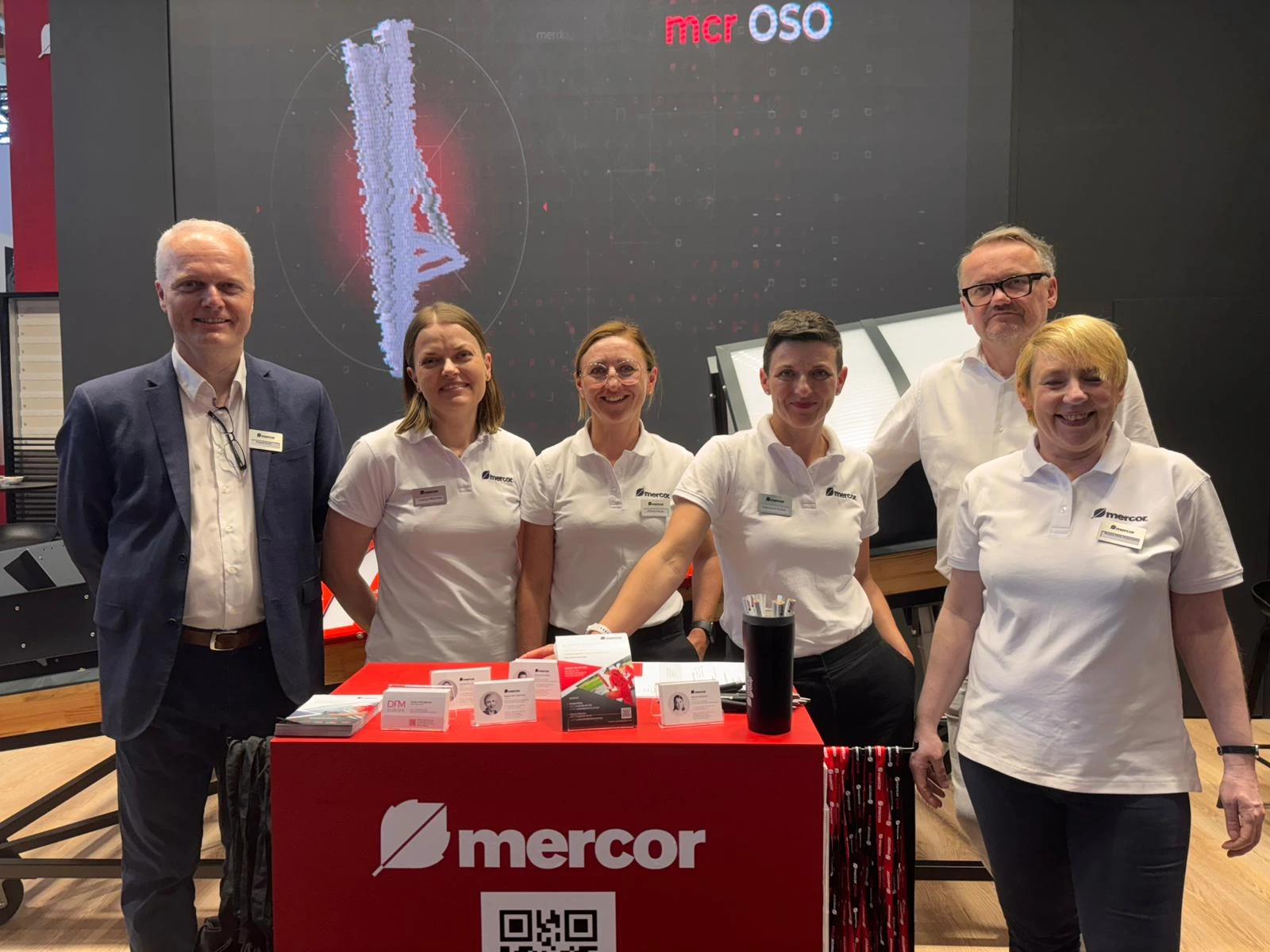
Mercor at FeuerTrutz 2026 – key information
Visit MERCOR at FeuerTrutz 2026 in Nuremberg.
The leading trade fair for preventive fire protection will take place on 24–25 June 2026.
We invite you to visit stand 410 in Hall 4A.
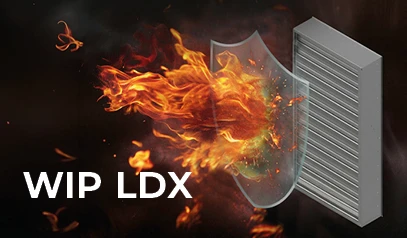
A New Solution for Multi‑Zone Fire Ventilation – mcr WIP LDX
mcr WIP LDX is a multi‑blade fire and smoke control damper designed for multi‑zone fire ventilation systems.
The product has been developed to ensure a high level of safety and reliable performance under fire conditions.

Realizations 2025 – by Mercor Light&Vent
We are proud to present the newest edition of our “Realizations 2025” folder — a collection of selected projects from Poland and international markets where Mercor Light&Vent gravity smoke ventilation and fire ventilation systems have been implemented.